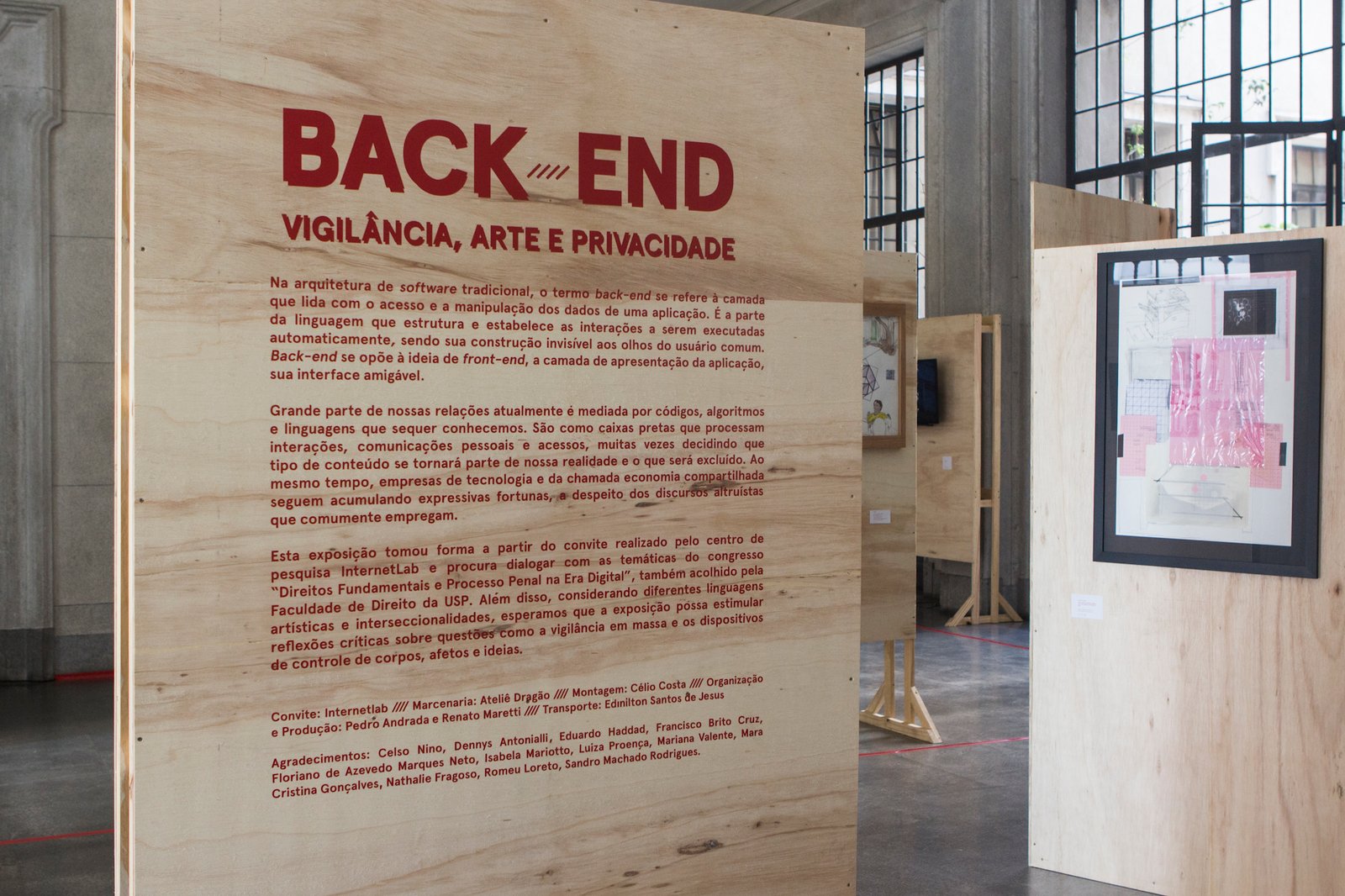
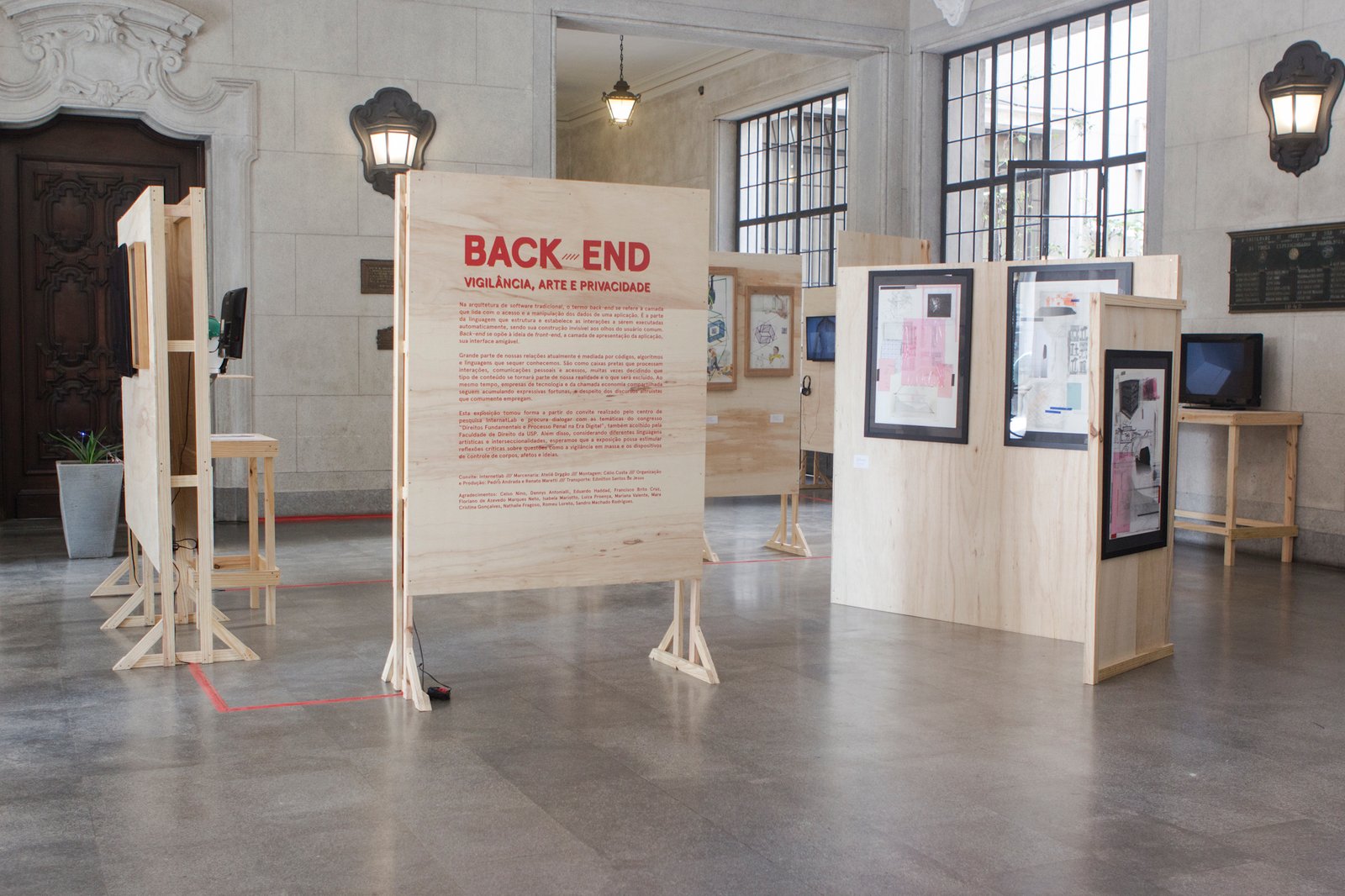
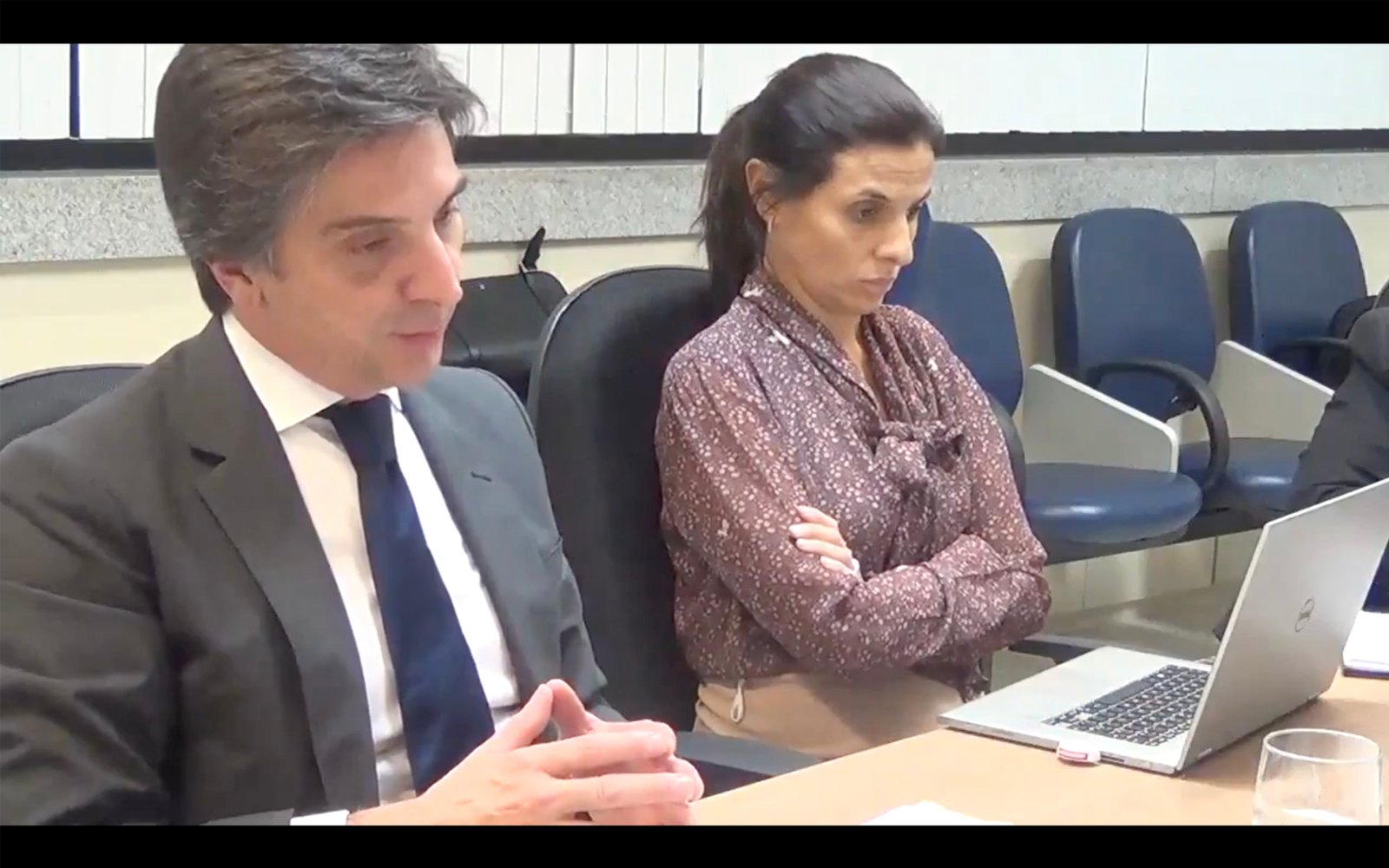
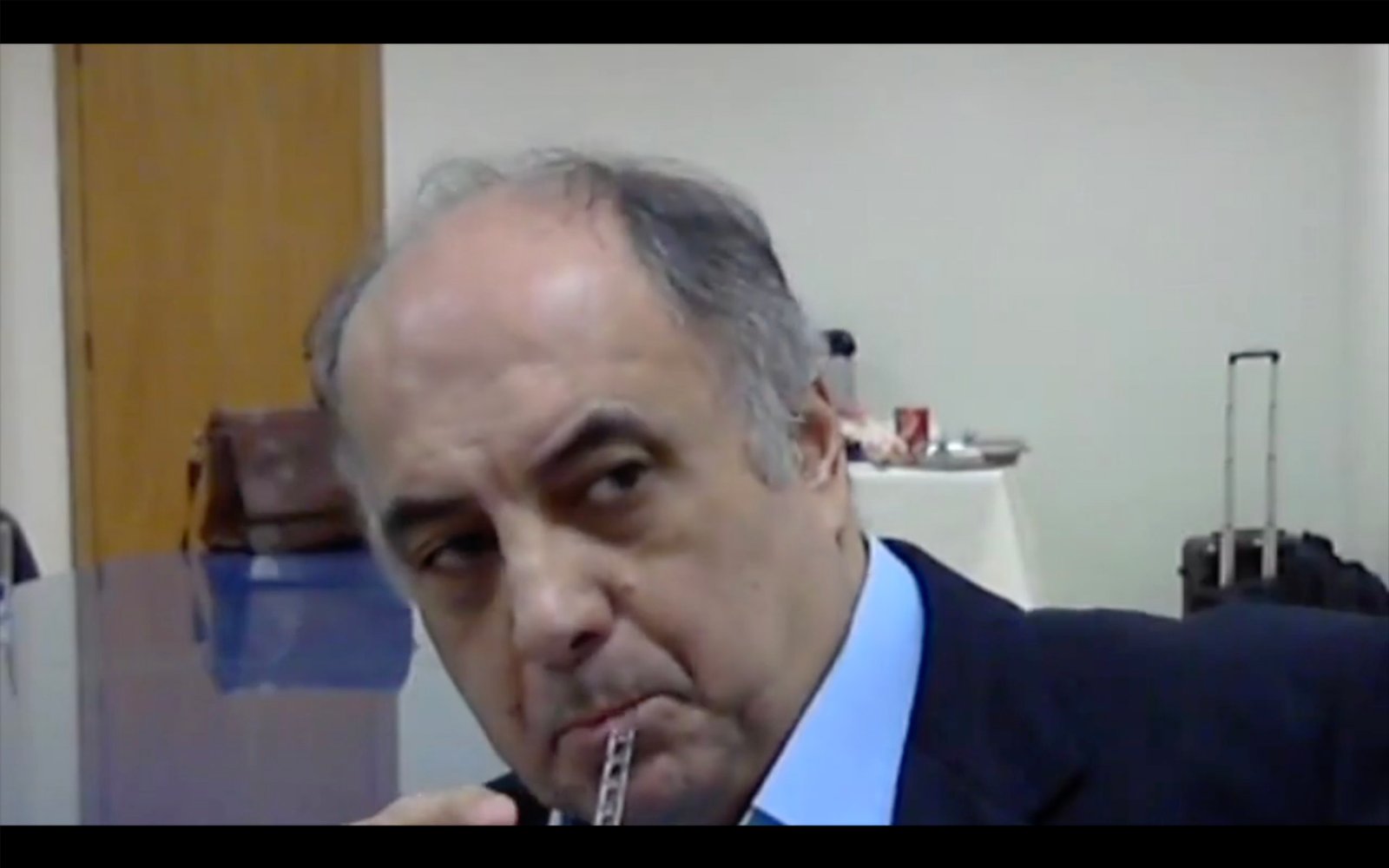
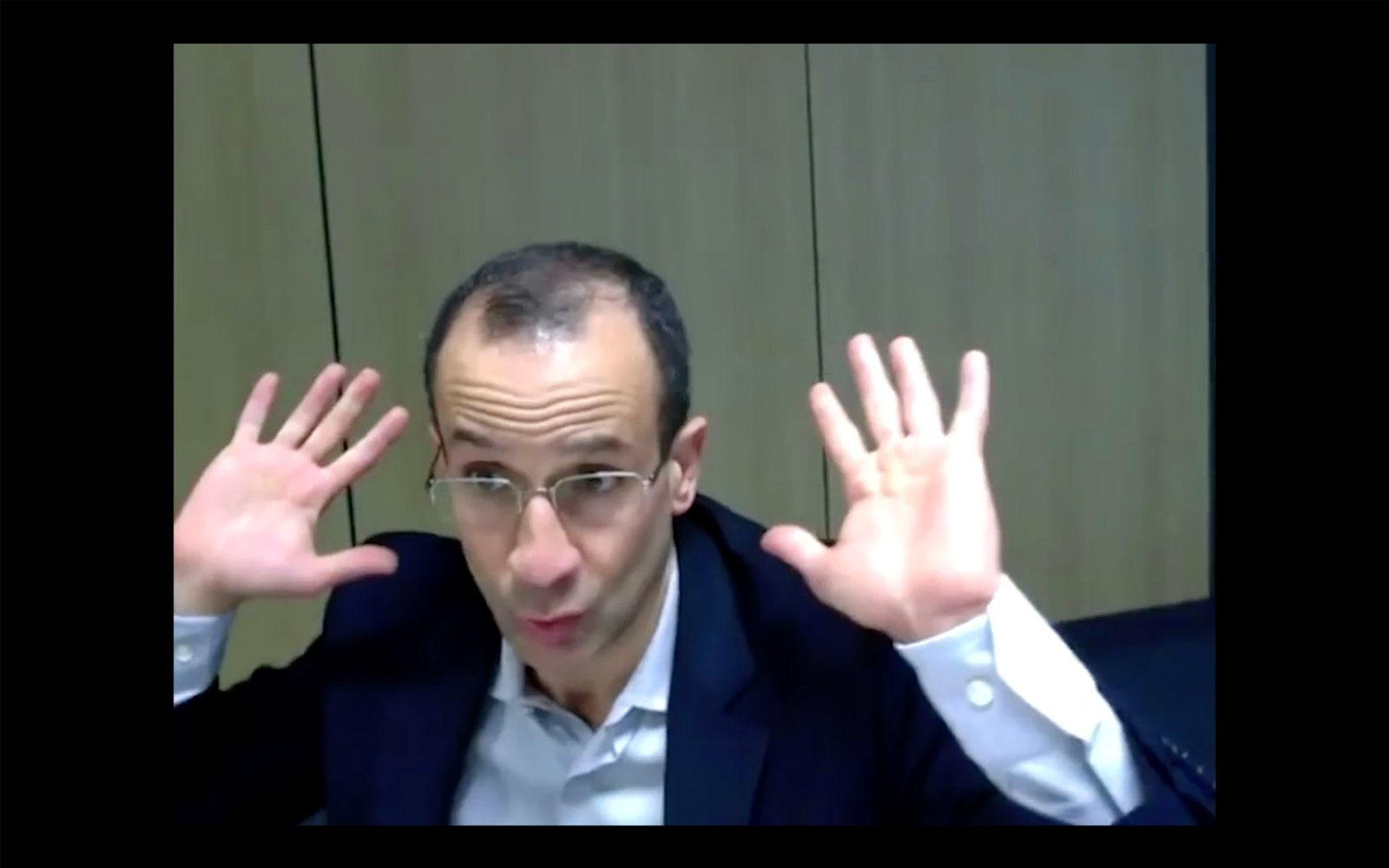
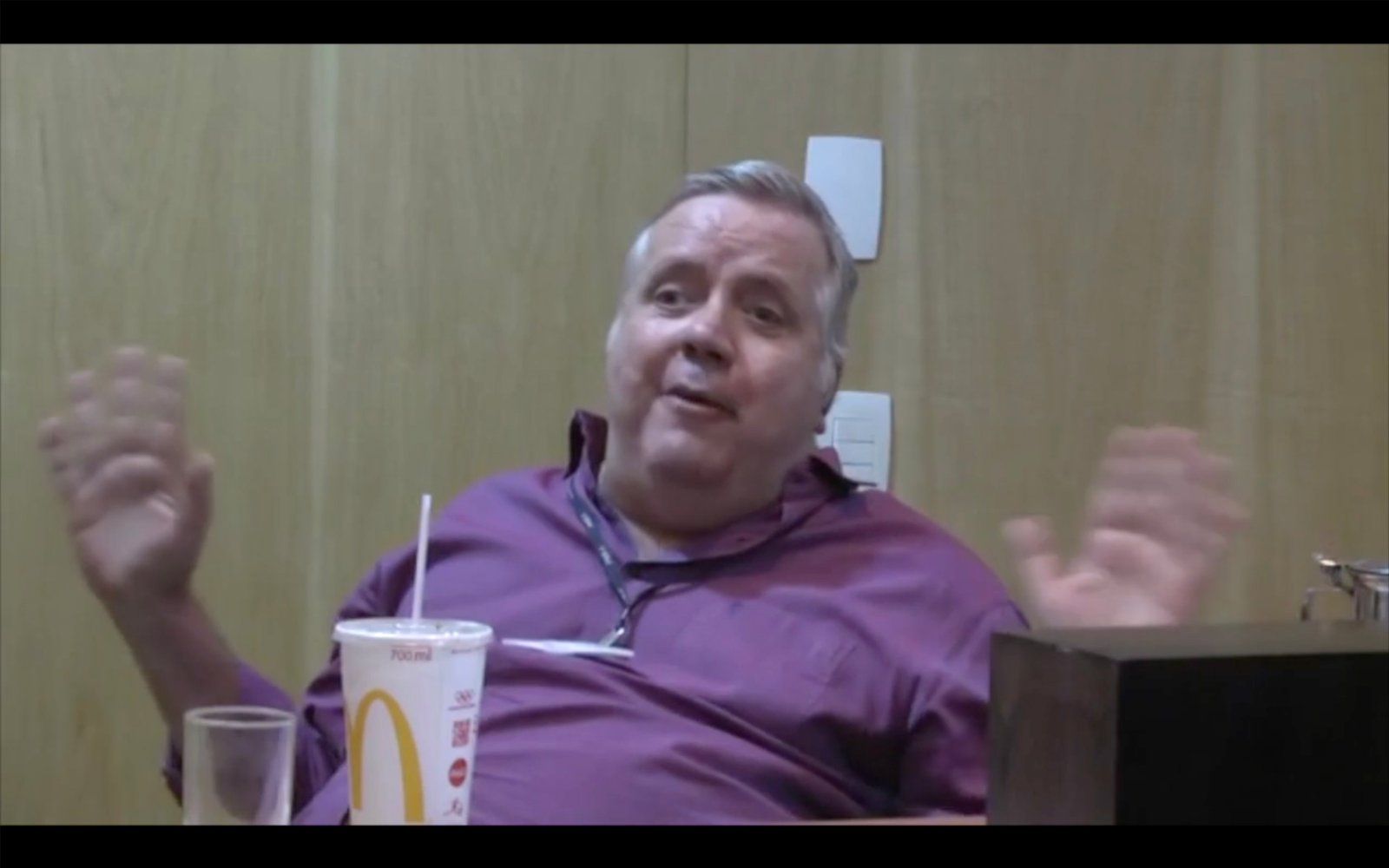
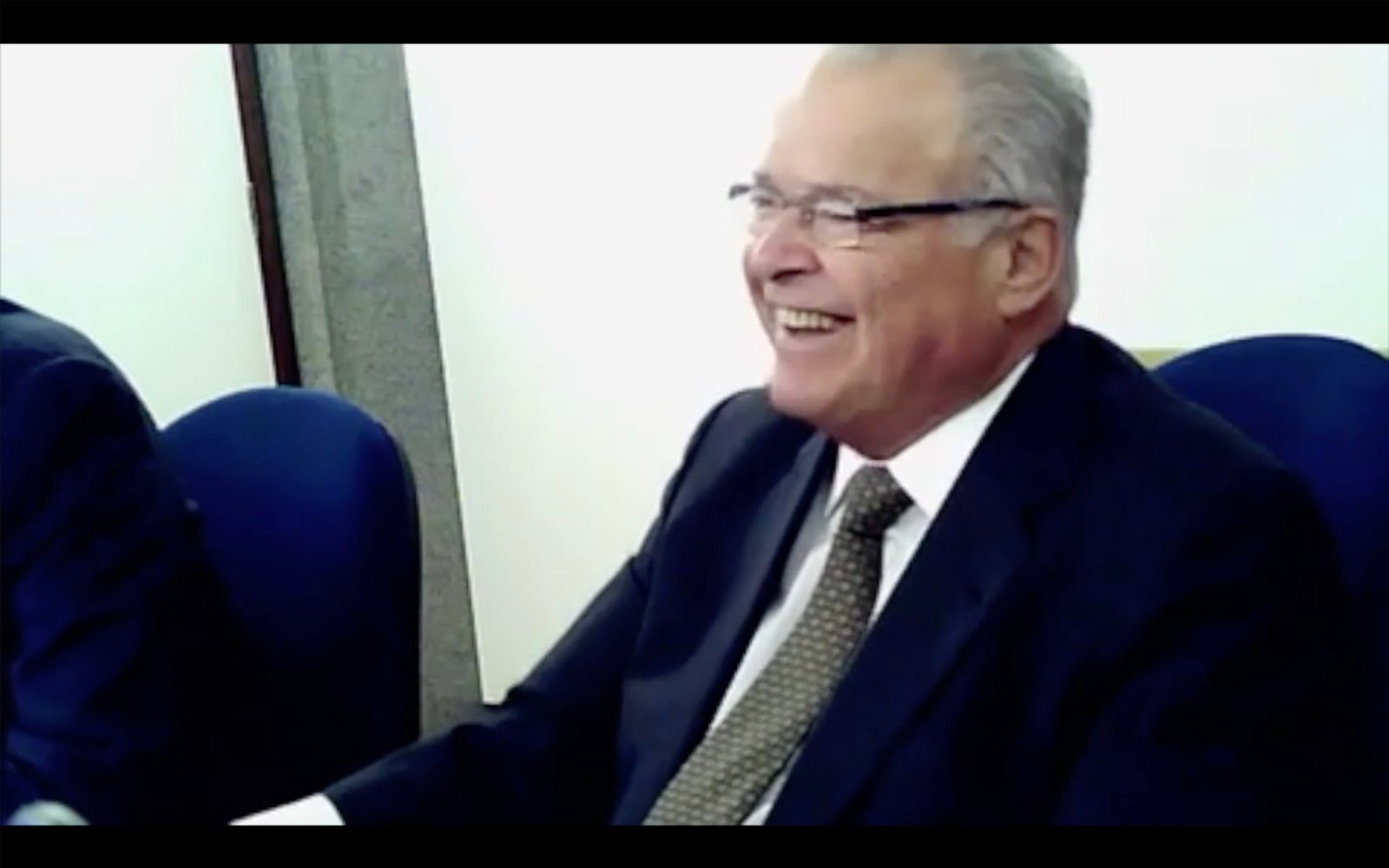
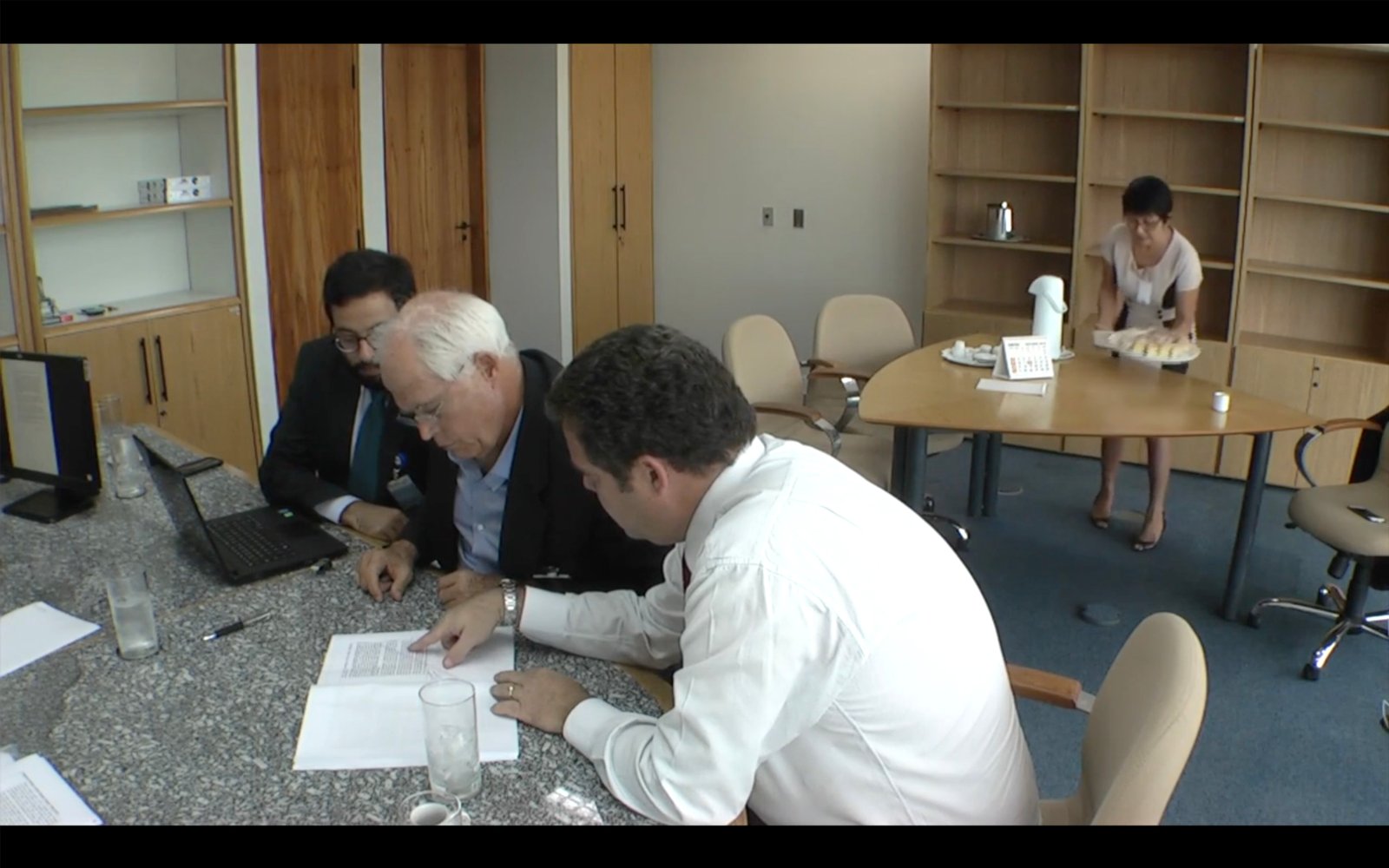
I took part in the exhibition Back-end: vigilância, arte e privacidade with the video Estética da delação premiada, which I made with Nelson Brissac using footage of plea-bargain testimony publicly released by Brazil’s Federal Police in April 2017. The exhibition ran at USP’s Law School from August 19 to September 6, 2019, curated by Pedro Andrade and Renato Maretti.
The curators introduce the exhibition:
In traditional software architecture, the term back end refers to the layer that handles access to and manipulation of an application’s data. It is the part of the language that structures and establishes interactions to be executed automatically, its construction invisible to the ordinary user. Back end contrasts with front end, the application’s presentation layer, its user-friendly interface.
Today, many of our relationships are mediated by code, algorithms and languages we do not even know. They are like black boxes processing interactions, personal communications and access, often deciding what content will become part of our reality and what will be excluded. At the same time, technology companies and businesses in the so-called sharing economy continue to accumulate substantial fortunes, despite the altruistic rhetoric they commonly use.
This exhibition took shape following an invitation from the InternetLab research center and seeks to engage with the themes of the conference “Fundamental Rights and Criminal Procedure in the Digital Age,” also hosted by USP’s Law School. In addition, by considering different artistic languages and intersectionalities, we hope the exhibition can stimulate critical reflection on issues such as mass surveillance and devices for controlling bodies, affects and ideas.
Pedro Andrada and Rafael Maretti (2019)
About Estética da delação premiada:
Synopsis:
The spaces are bland: rooms and cubicles with bare walls, empty shelves and Formica tables. The webcams, positioned without concern for framing or lighting, reveal backpacks abandoned in corners, coffee flasks, empty chairs and hardboard backdrops. The images are out of focus, shot at oblique angles that distort the informants’ faces. The figures explain themselves accompanied by bored lawyers. They alternate between arrogance and nonchalance, as if confession were itself redemption. Perhaps it is the primitive rawness of these images, preceding any visual language or aesthetic intention, that does the most to reveal their ultimate meaning: the utter disregard for the ethical and social implications of plea-bargain testimony. In their lack of finish, they are the clearest portrait of what impunity means. There is no need to hear the statements. These disposable images show us surveillance culture at its most brutal: the aesthetics of plea bargaining and the behind-the-scenes images of power that, until now, we could not see.

Artists:
Aryani Marciano | Bruno Storni & Satoru Nakumo |Carolina Nóbrega |Coletivo Cartográfico | Gabriel Mascaro | Giselle Beiguelman & Nelson Brissac |Grupo Trecho |Guilherme Peters |Luiza Crosman |Mathias Gatti |Pedro Andrada |Renato Maretti |A Revolta da Lâmpada |Roberto Winter & Guilherme Peters | Rodrigo Siqueira |Sara Lana |Trupe Olho da Rua
More about the exhibition: https://www.facebook.com/events/499347950866984/