Abstract:
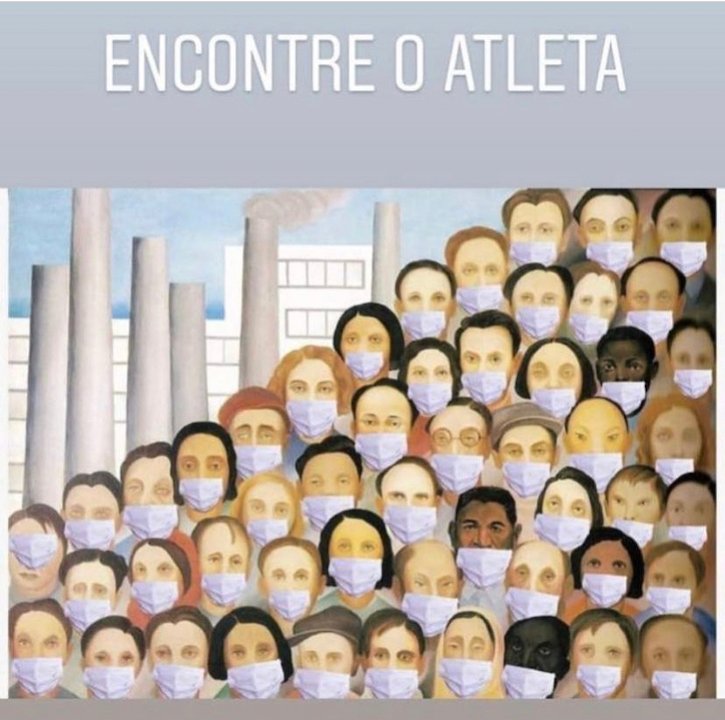
The coronavirus pandemic is also a pandemic of images proliferating through thermal cameras, intimacy turned outward in videoconferences, projections on façades, and countless reproductions of the computer-generated rendering of the virus. No less significant in the Brazilian context are the images of President Bolsonaro, whose photographs express his political view of the coronavirus, and those of excavators opening graves for victims who succumbed to the disease. This article analyzes some striking images of social isolation during COVID-19 in Brazil as statements of the visual rhetorics constituting the cultural experience of the new normal. Drawing on Didi-Huberman’s methodology in Cascas, it takes visual records as a starting point for understanding the pandemic context. Supported by discussions of visual rhetoric by Barthes, Foss, and Mateus, the article argues that the pandemic’s biopolitical dimension can be understood through the field of images’ invisibilities.
Keywords
Visual rhetoric, aesthetics of surveillance, invisibility, coronavirus
Rev. Latinoam. Psicopat. Fund., São Paulo, 23(3), 549–563, September 2020
http://dx.doi.org/10.1590/1415-4714.2020v23n3p549.7