The internet has completely transformed how politics is practiced and electoral campaigns are run. Among these transformations, I would highlight memes: those ironic images, usually accompanied by short texts in large letters, designed to be shared and attached to topics of the moment.
Beyond jokes about celebrities, football fans, soap operas and the like, memes have become a kind of point-blank commentary on everyday events. They are a true parallel news service based on images. If the old slogan was “It happened, it became a headline,” today we should say: “It happened, it became a meme.”
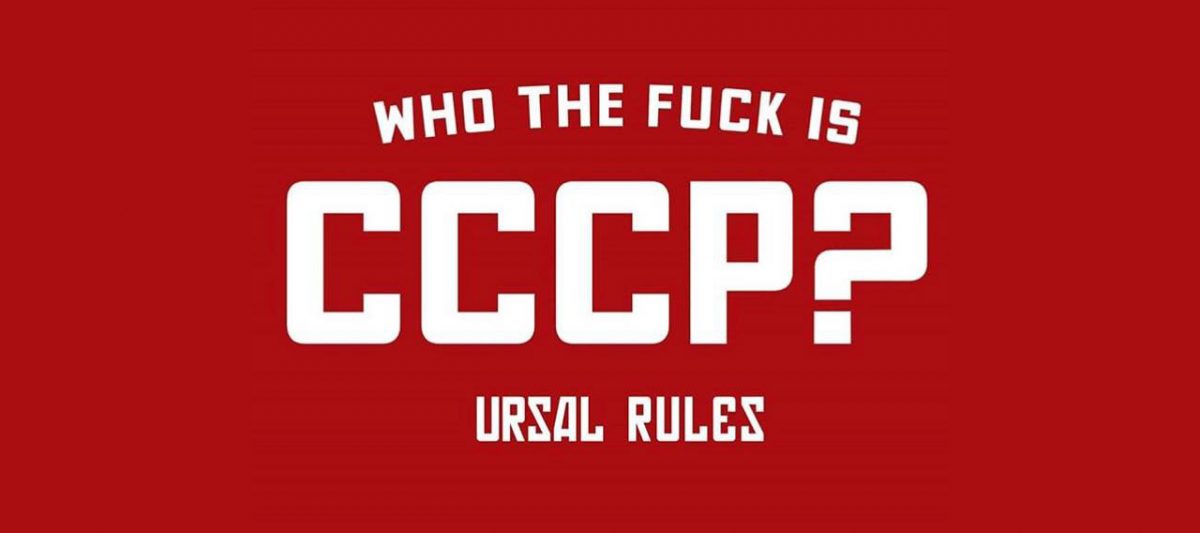
A good example was the first presidential candidates’ debate, hosted by Bandeirantes on August 9. While the debate aired on TV and streamed live on YouTube, Twitter boiled with images mocking candidates’ moments of indecision, countless mentions of God, and comparisons between the debate set and MasterChef. Nothing, however, surpassed the Ursalfever that swept the internet.
Memes and the new image culture
From the perspective of visual culture, memes are composed of the residues of image-based communication and migrate from one medium to another, from television, for example, to social-network interfaces. These appropriated images erase traces of their origins and authorship as they circulate. Low-resolution, they are a kind of unsigned, bastard image, yet they act as a counterpoint to dominant systems of representation.
On the other hand, because they often use the same images with new captions in different contexts, they also reveal a narrowing of the visual repertoire created on networks. Together with memes’ immediacy, concision and volatility, this also expresses the impossibility of discussion and reflection prevailing in today’s social-network model.
In any case, we are undeniably facing a new context, not only in political history but also in the role of images in political campaigns.
Gone are the days when political visuality was concentrated in state propaganda machines and campaigns of printed candidate cards, photos and videos of candidates at rallies, holding small children in favelas, drinking coffee in outlying neighborhood bars and inaugurating public works.
Such images have not disappeared, but the relationship between image and politics is now of a different order. More than a place and medium for transmitting ideas and languages, the image is the very field of political tensions. It is within the image, rather than through it, that confrontations project themselves socially.


Transcript of Giselle Beiguelman’s Ouvir Imagens column, broadcast every Monday at 8 a.m. on Rádio USP (93.7 FM).
Access the playlist with all the audio recordings of the Ouvir Imagens column on Rádio USP | Read all transcripts and posts.